
X-ray Residual Stress Analysis (Lab & Mobile)
Testing services / Methods / Competencies
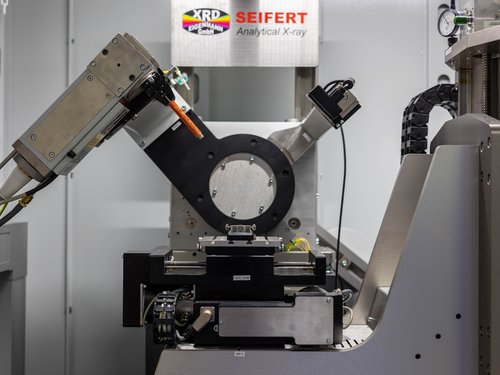
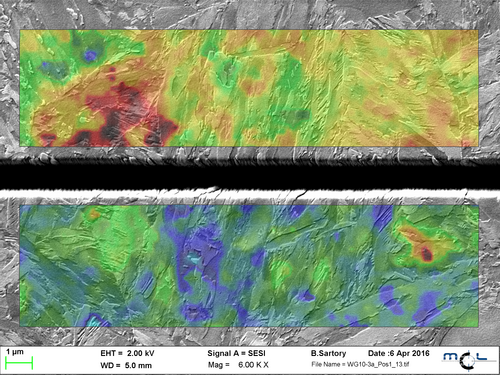
- X-ray determination of residual stresses, stress distributions and residual stress depth profiles on components
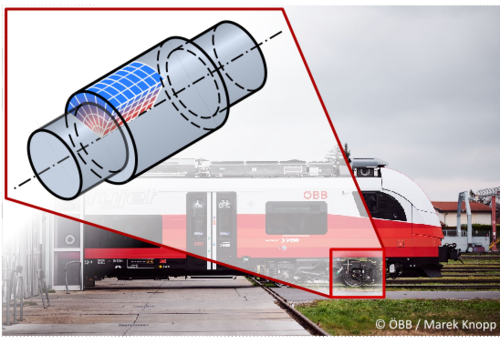
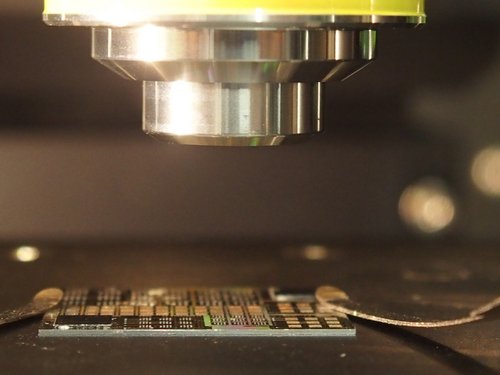
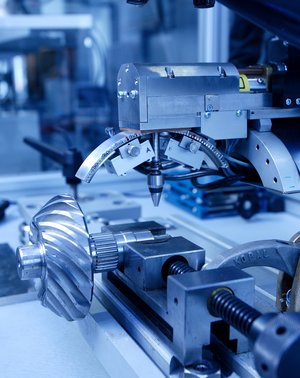
- Measurements in the laboratory or directly at the customer's site using mobile X-ray diffraction (XRD)
- Precise quantitative stress analysis on metals, coatings and coating-substrate systems
- Experience with complex component geometries, manufacturing processes and thermomechanical loads
- Determination of the relaxation of residual stresses at elevated temperatures up to 900°C
Specific technical features & information
- Analysis of near-surface residual stresses
- Depth profiles through stepwise material removal (e.g. electrochemical)
- Investigation of residual stress development in layer/substrate composites during temperature changes
- Determination of residual stress relaxation at elevated temperatures up to 900°C
Advantages & industrial benefits
- Early detection of critical stress conditions to prevent cracking, distortion or component failure
- Safeguarding of manufacturing, heat treatment and coating processes
Typical applications / examples
- Analysis of weld seams, coatings and surface layers
- Assessment of thermal influences during heat treatment, coating processes or operating temperatures
- Support with damage analyses and service life estimates
- Process optimisation in mechanical engineering, plant construction and toolmaking