Materials Center Leoben Forschung GmbH

Surface and Coating Analysis

Do you want to examine the structure, composition, or adhesion strength of coatings and functional layers? Are you particularly interested in how corrosion, wear, or thermal loading affect your surfaces in service?

Our project managers and experts at MCL support you in all aspects of surface and coating analysis – from topographical and chemical characterization through to the evaluation of adhesion, coating thickness, and functional performance.

Our Services at a Glance:

  • Surface characterization
    We analyse topography, roughness, and structure to precisely assess the functional properties of surfaces.


  • Friction / wear analysis
    Using targeted test methods, we determine friction behaviour and wear mechanisms under realistic conditions.


  • Surface treatment and coating analysis
    We examine the composition, adhesion, and effectiveness of coatings and surface modifications to assess their quality and durability.


Our Services in Detail

Surface Characterization

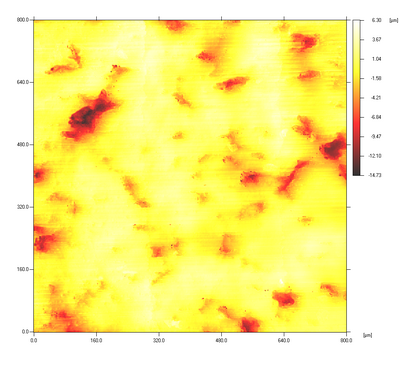
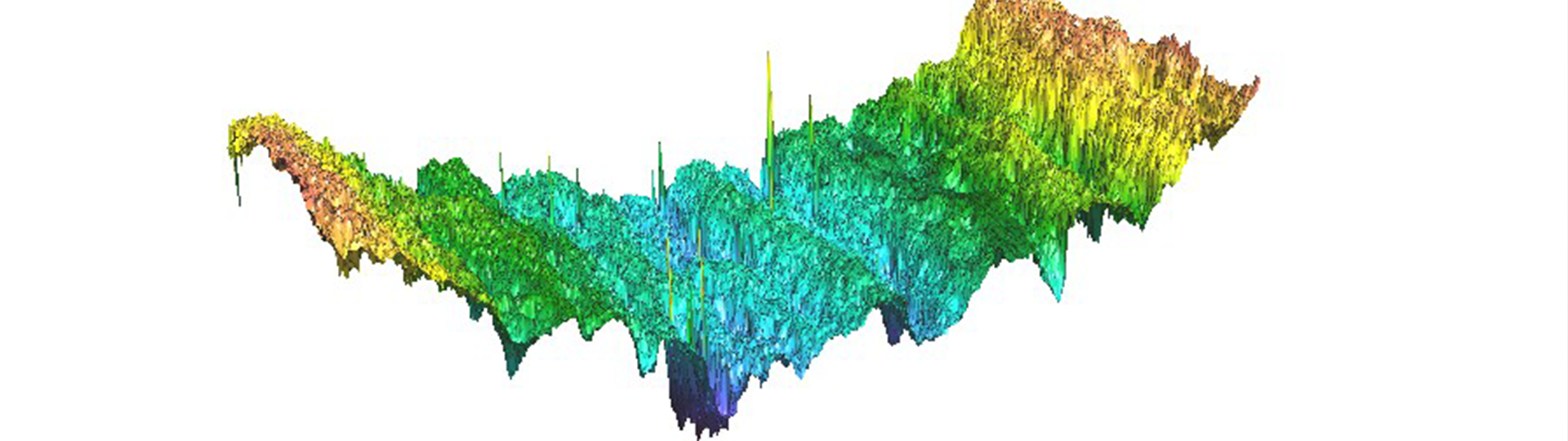
Topographical / Morphological Surface Characterization

Focus:
3D geometry, contour, roughness, surface structure

  • 2D/3D topography measurements – from macro to nano

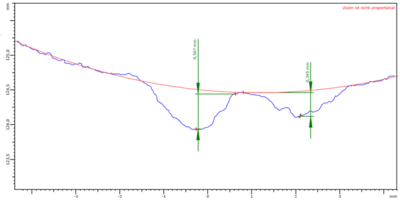
  • Roughness and waviness measurements

  • Micro- and nanostructure visualisation

  • Defect and surface morphology analysis

Typical methods:

  • AFM – Atomic Force Microscopy
    3D topography at the nanometre scale

  • SEM – Scanning Electron Microscopy
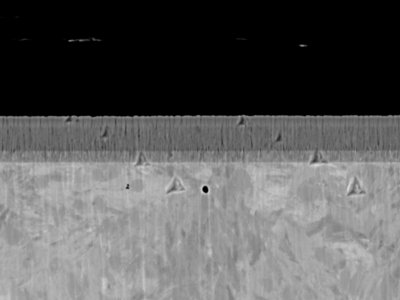
    Microstructures, surface morphology

  • Confocal microscopy
    High-resolution 3D surface measurements

  • Tactile roughness and contour measurement systems
    Roughness, waviness, contour
 

Chemical Surface Analysis

Focus:
Analysis of chemical composition, bonding states, and contamination.

  • Elemental and composition analysis
  • Contamination and residue analysis
  • Bonding state and chemical state analysis
  • Phase and structural characterization

Selected methods:

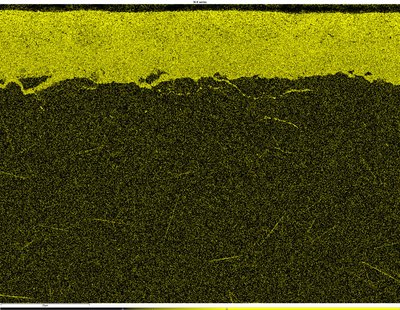
  • EDX/EDS (in SEM)
    → Elemental analysis (less surface-specific than XPS)
  • XPS – X-ray Photoelectron Spectroscopy
    → Surface chemistry, bonding states, coating thicknesses in the nanometre range
  • FIB-SIMS – Secondary Ion Mass Spectrometry
    → Trace elements and depth profiles
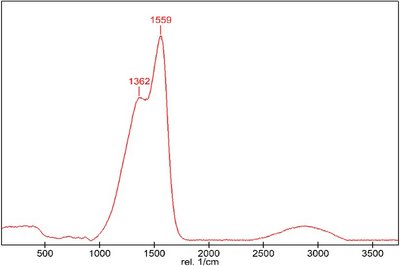
  • Raman spectroscopy
    Chemical phases, molecular structures
  • XRD – X-ray Diffractometry
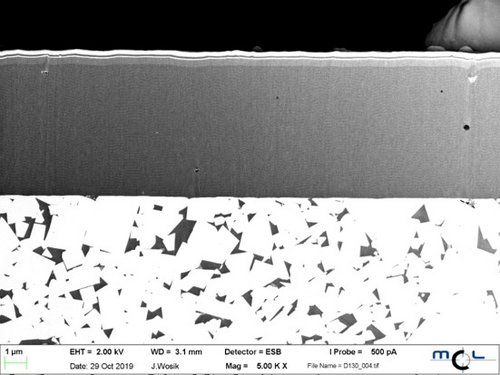
    Phase analysis, identification of crystal structures, mixed phases, oxides, crystalline residues

Mechanical Surface Analysis

Focus:
Investigation of mechanical properties such as hardness, elasticity, friction, and wear.

  • Determination of hardness and elastic modulus (micro/nano)
  • Wear and friction behaviour
  • Coating adhesion
  • Micro-/nano-mechanics of surfaces

Typical methods:

  • Nanoindentation / microindentation
    → Measurement of hardness and elastic modulus in the micro- and nanometre range
  • Scratch testing
    → Coating adhesion
  • Tribological tests (pin-on-disk, friction/wear tests)
    → Coefficients of friction, wear rates
  • Micro-tensile or bending tests (for thin films)
Physical Surface Properties

Focus:
Determination of functional physical surface properties.

  • Electrical and magnetic properties (including local measurements)
  • Thermal properties of thin surface layers

Methods:

  • AFM force modes (KPFM, MFM, EFM)
    → Electrical potentials, magnetic domains
  • DSC of surface layers
    → Phase transitions, thermal reactions
Friction / Wear Analysis

Friction, Wear, and Tribology Testing

Friction processes and the resulting wear often lead to malfunctions, loss of quality, or unexpected failures. Our tribological analyses help you clearly identify mechanisms, understand the fundamental tribological processes, and then specifically optimise materials and surfaces – significantly increasing the reliability and service life of your components.

Typical issues we solve for customers:

  • Unexpected wear, abnormal friction behaviour, noise generation
  • Corrosion, spalling, or delaminated coatings
  • Contamination or process residues on functional surfaces
  • Particle formation, wear debris identification, and material transfer
  • Functional failures due to lubricant or coating problems

With clear results, easy-to-understand documentation, and concrete recommendations for optimisation, we help you make components more durable, processes more stable, and products more reliable.

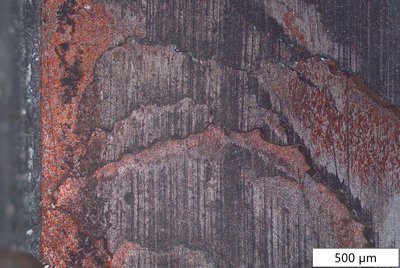
We offer professional surface analysis and tribology testing to precisely evaluate the friction and wear behaviour of your components. Using light microscopy, scanning electron microscopy (SEM), and EDX, we reliably identify wear debris, material transfer, microdefects, or coating failure. In addition, we perform tribometer tests such as pin-on-disk, scratch tests, and a wide range of other tribological tests (ring-on-disk, linear motion, component-specific tests) under realistic conditions to determine coefficients of friction, wear rates, and wear patterns with high accuracy. This gives you robust analyses, clear insights into tribological processes, and concrete recommendations for material optimisation, coating improvement, and process stabilisation.

In addition, with modern surface characterization methods (e.g. AFM, optical profilometry, XPS, XRD, Raman, ToF-SIMS), we can make underlying chemical, structural, or functional causes visible.


A service portfolio that sets the benchmark.

Oberflächenbehandlungs- und Schichtanalysen

Surface and Coating Analysis – Your Direct Contact

Knowledgeable experts who understand your project – and help make it a success.

Dr. Florian Summer Service Solution Manager

Dr. Julien Magnien Service Solution Manager

Dr. Angelika Spalek Service Solution Managerin